
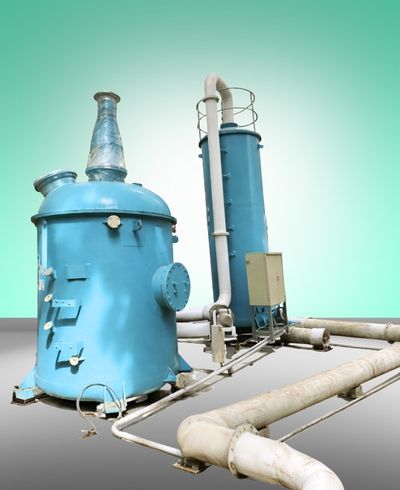
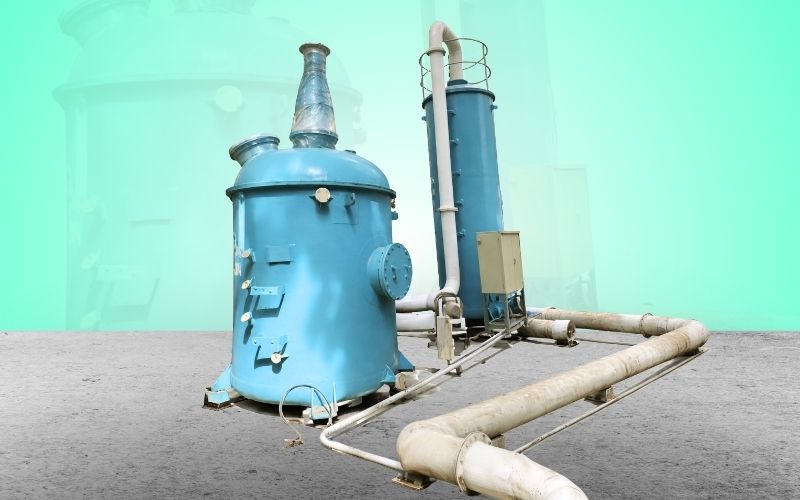
An odour control system for industrial facilities is a specialized air treatment solution designed to mitigate offensive and harmful odours generated during manufacturing processes. Industries that handle chemicals, wastewater, food processing, rendering, pharmaceuticals, and other odor-intensive operations face not only workplace discomfort but also regulatory scrutiny and community complaints—making effective odour management essential for safe and compliant operations.
In this blog, we explore what industrial odour control systems are, why they matter, how they work, and how facilities can select the right solution.
What is an Odour Control System for Industrial Use?
An odour control system for industrial applications refers to a combination of technologies and hardware that capture, neutralize, or eliminate odorous gases emitted from industrial processes. These systems are engineered to:
- Capture odorous air streams
- Remove or neutralize odour-causing compounds
- Reduce emissions to acceptable levels
- Protect workers, neighbors, and the environment
Unlike simple air fresheners or masking agents, industrial odour control systems are engineered for actual odour removal and process compliance.
Why Industrial Odour Control Matters
1. Regulatory Compliance
Environmental regulations in India and other countries require facilities to monitor and control odorous emissions. Failure to comply can lead to:
- Fines and legal action
- Permit restrictions or suspension
- Community complaints
A robust industrial odour control system ensures compliance with local, national, and environmental standards.
2. Worker Health & Safety
Odours are often symptoms of volatile organic compounds (VOCs), sulfurous gases, and other chemical contaminants. These compounds not only smell unpleasant but may pose health risks, such as:
- Headaches
- Respiratory irritation
- Fatigue and nausea
Removing odorous gases improves workplace air quality and worker well-being.
3. Community Relations
Industries located near residential areas are particularly sensitive to odour complaints. Uncontrolled odours can:
- Damage brand reputation
- Trigger public backlash
- Lead to legal nuisance claims
An effective odour control system helps mitigate these risks.
Common Sources of Industrial Odours
Industrial odours can originate from a variety of processes, including:
- Wastewater treatment plants
- Chemical processing units
- Paint and coating operations
- Food and beverage manufacturing
- Rendering plants
- Compost, organic waste handling
- Cooling towers and exhaust systems
Each source has unique odorous compounds, requiring tailored odour control strategies.
How Odour Control Systems Work
1. Source Capture
Odour control begins with capturing contaminated air at its point of origin using hoods, enclosures, or ductwork. This ensures odours are not freely escaping into the workspace or atmosphere.
2. Filtration & Treatment Technologies
Captured air is passed through one or more of the following treatment technologies:
- Activated Carbon Adsorption
Highly effective at capturing VOCs, sulfur compounds, and organic odours. - Biofiltration
Uses biological media to break down odorous compounds naturally (ideal for low-flow applications). - Chemical Scrubbing
Neutralizes odours using acid/base solutions, especially for sulfurous or ammonia-based odours. - Thermal Oxidation
Uses heat to destroy odorous VOCs in high-volume industrial exhaust.
3. Clean Air Discharge
Treated air is released to the atmosphere with minimal odour and in compliance with environmental standards.
Selecting the Right Industrial Odour Control System
Choosing the right system depends on several factors:
1. Type of Contaminants
Knowing the chemical composition of odorous gases helps determine the appropriate filtration media.
2. Volume & Flow Rate
High-volume facilities need larger, more robust systems with higher air handling capacity.
3. Regulatory Requirements
Different regions may require specific emission standards and testing protocols.
4. Maintenance & Lifecycle Costs
Ease of media replacement, system accessibility, and serviceability are key to long-term operation.
5. Integration with Existing Infrastructure
Ideal systems should integrate seamlessly with exhaust fans, ductwork, and control systems.
Why Application Expertise Matters
Industrial odour control is not “one size fits all.” Selecting and implementing an effective system requires deep knowledge of:
- Process conditions
- Odour chemistry
- Airflow design
- Media performance
AV Plastic Equipments, with its experience in environmental solutions and industrial air management, supports facilities in engineering odour control systems that match their specific operational profiles. This tailored approach ensures higher odour removal efficiency, regulatory compliance, and smoother plant operations.
Benefits of Installing an Industrial Odour Control System
✔ Improved Air Quality
Removes odour-causing compounds, creating a safer, more comfortable work environment.
✔ Compliance Confidence
Meets emission control norms, reducing regulatory risk.
✔ Reduced Complaints
Minimizes community and employee odour concerns.
✔ Enhanced Workplace Safety
Supports safer plant operations by eliminating potentially harmful fumes.
✔ Long-Term Cost Savings
Reduces equipment corrosion and unplanned downtime.
Conclusion
An odour control system for industrial applications is vital for modern facilities that generate odorous emissions. Beyond simply eliminating bad smells, these systems protect regulatory compliance, worker health, and community relations while improving overall environmental performance.
With application-specific design, AV Plastic Equipments delivers industrial odour control solutions that combine technical precision with operational reliability, helping industries maintain cleaner air, safer workplaces, and sustainable operations.